Source BPA Free HDPE Pill Bottle for Medicine, Vitamins, Supplements
Compare 23 listings of BPA free HDPE pill bottle options from Zhejiang China. Buyers can evaluate capacities from 60ml to 200ml, closure types, and customization services for pharmaceutical and vitamin packaging needs.
Key considerations
Products List


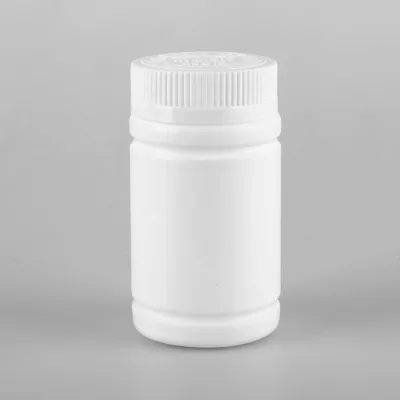
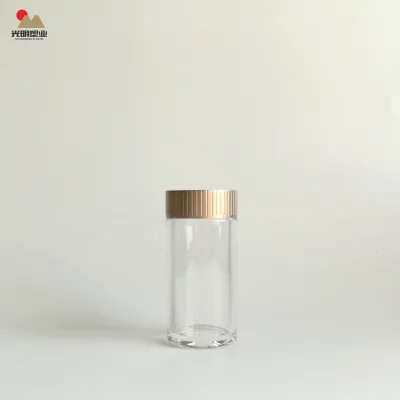
Comprehensive Sourcing Guide
Strategic Sourcing Guide for BPA-Free HDPE Pill Bottles
Understanding Technical Specifications and Material Integrity
When sourcing BPA-free HDPE pill bottles, the primary objective is to ensure the container provides a robust barrier against moisture, light, and chemical interaction while maintaining structural integrity during transport. High-Density Polyethylene (HDPE) is the industry standard for this application due to its excellent chemical resistance and durability. The supplied product data confirms that HDPE is the dominant material attribute for these containers, making it a reliable choice for pharmaceutical and vitamin packaging. Buyers must verify that the specific HDPE resin used is explicitly free of Bisphenol A (BPA), a chemical often associated with polycarbonate plastics but occasionally a concern in mixed polymer supply chains.
The physical dimensions of the bottle are critical for both storage efficiency and consumer usability. The observed product data reveals a diverse range of neck sizes and body dimensions. Specific models indicate neck sizes of 35mm, 34mm, 41mm, 46mm, and 38mm. These variations dictate the compatibility with existing capping machinery and the specific closure systems required. For instance, a 38mm neck size is often paired with standard tamper-evident closures, while smaller 34mm or 35mm openings might be reserved for concentrated supplements or travel-sized formats. The volume capacities observed in the data range from 60ml to 200ml, with specific standard markings for 60ml, 120ml, 150ml, and 200ml. Buyers should note that while "150cc" is listed as a standard, this is functionally equivalent to 150ml, and verification of the exact fill volume against the bottle's internal geometry is essential for regulatory compliance.
Shape is another significant technical variable. The market offers both round and shaped bottles, with rectangular options also available for specific branding or shelf-space requirements. The data highlights "Round Bottle" and "Shaped Bottle" as distinct categories, alongside "Rectangular" forms. The choice between these shapes impacts the mold cost and the structural rigidity of the final product. Round bottles generally offer the best pressure distribution and are easier to manufacture at scale, while shaped bottles often serve as a differentiator for premium vitamin brands. Additionally, the weight of the bottles varies significantly, with observed weights ranging from 19.5g to 30g. This variance suggests differences in wall thickness and material density, which directly influence the bottle's resistance to crushing and its overall cost.
Compliance, Certification, and Regulatory Verification
Navigating the regulatory landscape for pharmaceutical packaging requires rigorous verification of certifications. The supplied facts indicate that suppliers may hold ISO, SGS, and FDA certifications. These are high-confidence markers of quality management and safety, but buyers must understand the scope of each. An ISO certification typically refers to quality management systems (such as ISO 9001, though the specific standard number should be verified against the supplier's certificate), ensuring consistent manufacturing processes. SGS certification often relates to product testing and inspection, confirming that the physical and chemical properties of the HDPE meet international standards. FDA compliance is particularly critical for products intended for the US market, indicating that the materials used are suitable for food and drug contact.
However, buyers must exercise caution regarding the interpretation of these certifications. The presence of "ISO, SGS, FDA" in the product attributes suggests availability, but it does not guarantee that every single SKU or model variant is covered under the same certificate. For example, a specific model like MD-1127 might be certified, while a custom-shaped variant may require a new material safety data sheet (MSDS) or a separate FDA notification. The data also lists "SGS" as a standard in one instance, which likely refers to the testing agency rather than a specific regulatory standard number. Buyers should request the actual certificate documents to verify the scope, ensuring that the specific HDPE resin and the finished bottle design are included in the compliance scope.
Furthermore, the "BPA-free" claim, while central to the search keyword, must be substantiated. While HDPE is naturally BPA-free, the manufacturing process involves additives and inks. Buyers should demand a Declaration of Compliance (DoC) or a Certificate of Analysis (CoA) that explicitly states the absence of BPA, phthalates, and other heavy metals. The observed "Special Feature: Measuring Cup" on certain models adds a layer of complexity; if the measuring cup is a separate component, its material composition must also be verified for BPA-free status. The data mentions "Customized" logos and "Existing Color: White," which implies the use of pigments. Buyers must ensure that the colorants used, especially for non-white bottles, are food-grade and do not introduce contaminants.
Cost Drivers and Pricing Dynamics
The pricing structure for HDPE pill bottles is influenced by several dynamic factors, including material costs, order volume, and customization requirements. The observed price range in the data is 0.03 to 0.3 USD per unit. This wide range reflects the variability in bottle size, wall thickness, and the complexity of the mold. Smaller, lighter bottles (e.g., 19.5g) will naturally fall at the lower end of the spectrum, while larger, heavier bottles (e.g., 30g) with specialized features like measuring cups will command higher prices.
Order volume is a primary driver of unit cost. The Minimum Order Quantity (MOQ) range observed is 5 to 50,000 units. This indicates a highly flexible supply chain capable of serving both prototyping startups and large-scale pharmaceutical manufacturers. For buyers with low initial demand, an MOQ of 5 units allows for sample testing and small-batch production, though the unit price will likely be at the higher end of the 0.03-0.3 range. Conversely, ordering near the 50,000-unit threshold typically unlocks significant economies of scale, pushing the unit cost toward the lower limit.
Customization is another significant cost factor. The data confirms that "Customization" and "Logo" are available, with options for "Customized" logos. Adding a custom logo requires a dedicated mold or a secondary printing process, both of which add to the initial setup cost and potentially the per-unit price. The "Special Feature: Measuring Cup" also represents a value-add that increases manufacturing complexity and cost. Buyers should weigh the marketing benefits of these features against the incremental cost. Additionally, the "prod_packing" options, ranging from "Carton" to "Cartons" and "in Exporting Carton," affect the final landed cost. Bulk packing in export cartons is generally more cost-effective than individual retail packaging, but the buyer must factor in the cost of secondary packaging if the bottles are to be sold directly to consumers.
Typical Applications and Functional Requirements
The versatility of HDPE pill bottles makes them suitable for a broad spectrum of applications within the health and wellness sector. The supplied data explicitly lists applications for "Medicine/Vitamin Bottle," "Vitamins, Pharmaceuticals, Herbal Supplements," and "for Pills/Tablets/Vitamins." This confirms that the primary use case is the containment of solid oral dosage forms. The material's moisture barrier properties are essential for protecting hygroscopic vitamins and herbal supplements from degradation.
The "Key: Pill Bottle" attribute underscores the functional design intent. These bottles are engineered to be child-resistant yet easy for adults to open. The observed "Cap Type: PLC/CRC/Double Cap" and "Sealing Type: Screw Cap, Flip Top Cap" indicate a variety of closure mechanisms. PLC (Plastic Liner Cap) and CRC (Child Resistant Cap) are standard terms for closures that meet safety regulations. The availability of "Flip Top Cap" options suggests a convenience feature for users who need to access pills frequently, such as in a daily routine. However, flip-top caps may offer less robust tamper evidence compared to screw caps with breakable seals, so the choice depends on the specific regulatory requirements of the target market.
The "Measuring Cup" feature is particularly relevant for liquid supplements or powdered vitamins that require precise dosing. This feature transforms the bottle from a simple storage container into a functional dosing tool, adding value for the end-user. The "Shape: Round Bottle" and "Rectangular" options allow for ergonomic handling; rectangular bottles, for instance, may be easier to grip or fit into specific medicine cabinet slots. The "Bottle Mouth: 38mm Neck Size" is a common standard that ensures compatibility with a wide range of closures and filling equipment, making it a versatile choice for manufacturers who may need to switch between different product lines.
Supplier Evaluation and Sourcing Strategy
Evaluating suppliers for HDPE pill bottles requires a multi-faceted approach that goes beyond price comparison. The data indicates that the "prod_origin" is primarily "Zhejiang China" and "China," a region known for a robust manufacturing ecosystem for plastic packaging. Buyers should verify the specific factory location within this region, as proximity to ports like Ningbo or Shanghai can impact logistics costs and lead times. The "prod_packing: by Sea or Air" option suggests that suppliers are equipped to handle various shipping modes, but the buyer must clarify the Incoterms and who bears the risk during transit.
Supplier reliability is often signaled by their ability to provide samples. The data confirms that "Sample: Free" is an available attribute, which is a positive indicator of supplier confidence and a low barrier to entry for buyers. However, "Free" samples often come with conditions, such as the buyer covering shipping costs or a commitment to a larger order later. Buyers should use the sample phase to physically test the bottle's quality, checking for issues like flash (excess plastic at the mold seam), uneven wall thickness, or poor thread quality on the neck.
The "Customization: Available" and "Logo: Accepted" attributes suggest that suppliers are willing to work with buyers on branding. When evaluating such suppliers, buyers should ask about their design capabilities, turnaround times for custom molds, and their experience with similar projects. A supplier that can offer both standard models (like MD-1127 or MD-1070) and custom solutions demonstrates flexibility. It is also crucial to assess the supplier's quality control processes. Do they have in-house testing labs? How do they handle non-conforming products? The presence of "ISO, SGS, FDA" certifications is a good starting point, but buyers should request evidence of their internal QC protocols, such as Statistical Process Control (SPC) data or regular audit reports.
Quality Control and Long-Term Procurement Considerations
Ensuring consistent quality over the long term is paramount for pharmaceutical packaging. The observed weight variations (19.5g, 22g, 23g, 30g) highlight the need for strict weight control during production. Deviations in weight can indicate issues with the molding process, such as inconsistent material flow or temperature fluctuations, which could compromise the bottle's structural integrity. Buyers should establish clear acceptance criteria for weight, dimensions, and visual defects in their purchase agreements. Regular third-party inspections, such as those provided by SGS, can be a valuable tool for maintaining quality standards throughout the production run.
Long-term procurement considerations also include supply chain resilience. The "prod_packing: Carton" and "in Exporting Carton" options suggest standard packaging, but buyers should discuss contingency plans for material shortages or production delays. The "MOQ range: 5-50000" indicates that suppliers can scale, but buyers should negotiate flexible terms that allow for volume adjustments based on market demand. Additionally, the "Special Feature: Measuring Cup" and "Logo: Customized" elements require ongoing quality checks. If a custom logo is used, the ink adhesion and color consistency must be verified over time to prevent fading or smudging, which could damage brand reputation.
Finally, sustainability is an increasingly important factor in procurement. HDPE is recyclable, and buyers should inquire about the supplier's use of post-consumer recycled (PCR) content. While the data does not explicitly mention PCR, it is a trend in the industry. Buyers can leverage their purchasing power to encourage suppliers to adopt more sustainable practices, such as reducing packaging waste or optimizing energy usage in the molding process. By focusing on these long-term considerations, buyers can build a resilient and responsible supply chain for their HDPE pill bottle needs.
Comparative Analysis of Product Attributes
To assist buyers in making informed decisions, the following table summarizes the key attributes observed in the product data, highlighting the variability in specifications that buyers must navigate.
| Attribute Category | Observed Values | Sourcing Implication |
|---|---|---|
| Material | HDPE | Standard for BPA-free, chemical resistance. |
| Capacity | 60ml, 120ml, 150ml, 200ml | Match to product fill volume; verify 150cc vs 150ml. |
| Neck Size | 34mm, 35mm, 38mm, 41mm, 46mm | Critical for closure compatibility and filling line setup. |
| Shape | Round, Shaped, Rectangular | Affects shelf presence and handling ergonomics. |
| Weight | 19.5g, 22g, 23g, 30g | Indicates wall thickness; impacts cost and durability. |
| Closure Type | Screw Cap, Flip Top Cap, PLC, CRC | Determines safety features (child resistance) and ease of use. |
| Customization | Logo, Color, Measuring Cup | Adds value but increases setup cost and lead time. |
| Certifications | ISO, SGS, FDA | Verify scope and validity for specific models. |
| Origin | Zhejiang China, China | Factor in logistics and potential trade tariffs. |
| MOQ | 5 - 50,000 | Flexible for startups; volume discounts for large orders. |
| Price Range | $0.03 - $0.30 USD | Highly dependent on size, weight, and customization. |
This comparative view underscores the importance of defining precise requirements before engaging with suppliers. The wide range of options allows for significant customization but requires careful selection to ensure the final product meets all technical and regulatory standards.
FAQs
What certifications do these HDPE pill bottles hold?
The bottles hold ISO, SGS, and FDA certifications. These markers indicate quality management and safety compliance, but buyers must verify that the specific model variant is covered under the same certificate scope.
Which neck sizes are available for these bottles?
Available neck sizes include 35mm, 34mm, 41mm, 46mm, and 38mm. These dimensions dictate compatibility with capping machinery and determine the specific closure systems required for the product line.
Can I request a free sample for testing?
Free samples are available for evaluation purposes. Buyers should note that shipping costs may apply, and the sample phase is critical for checking wall thickness and thread quality before bulk ordering.
What is the minimum order quantity for these bottles?
The minimum order quantity ranges from 5 to 50,000 units. Lower MOQs allow for prototyping, while larger orders near 50,000 units typically unlock significant economies of scale and lower unit costs.
How much do these bottles weigh?
Observed weights range from 19.5g to 30g per unit. This variance reflects differences in wall thickness and material density, which directly influence the bottle's resistance to crushing and overall cost.
What packing options are available for these bottles?
Packing options include cartons, export cartons, and shipping by sea or air. Bulk packing in export cartons is generally more cost-effective than individual retail packaging for large pharmaceutical orders.
Are custom logos accepted on these bottles?
Customized logos are accepted on the bottles. Adding a custom logo requires a dedicated mold or secondary printing process, which adds to the initial setup cost and potentially the per-unit price.